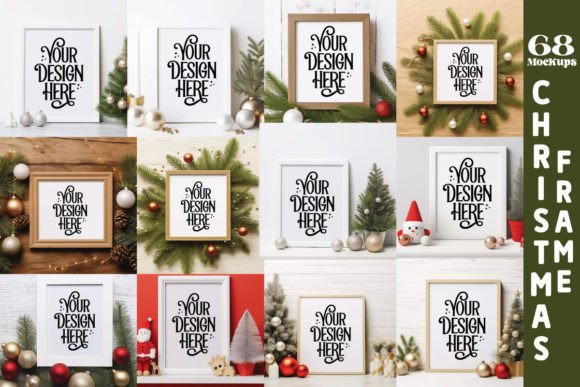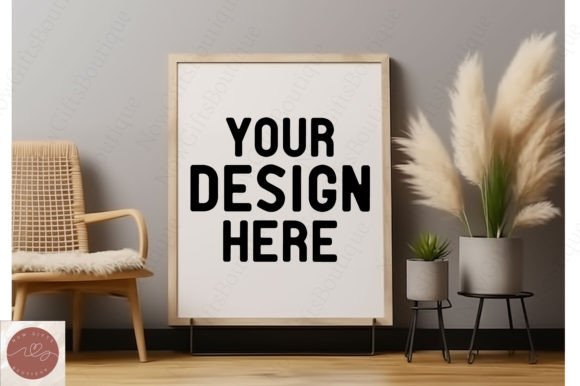
Single Frame Mockup for Graphics and Frames Amp
As a graphic designer who regularly works with branding, marketing visuals, and digital assets, I’ve come across many design tools that promise to elevate a project. The Single Frame Mockup from Frames Amp caught my attention as a potential asset for real client work. At first glance, it feels like a versatile tool that could easily fit into various creative scenarios. Let’s break down how this design asset performs in practice.
A First Impression: Style and Mood
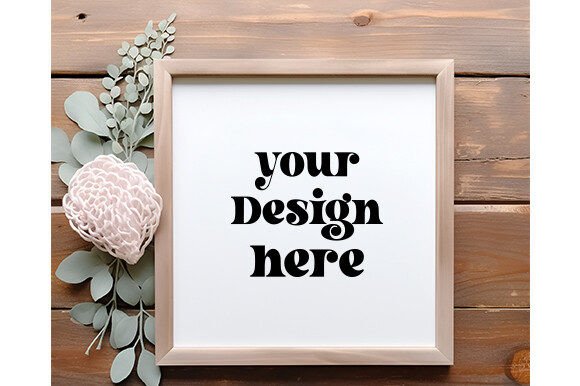
The Single Frame Mockup carries a clean and modern aesthetic. It feels like a minimalist frame that can hold just about any visual—whether it's an illustration, T-shirt design, SVG cut file, or watercolor. The subtle textures and edges give it a tactile feel, making it suitable for handmade brands, boutique product lines, or seasonal campaigns. It doesn’t scream for attention but instead invites the viewer to focus on the content inside the frame.
This makes it ideal for small businesses or Etsy sellers who want to showcase their products in a professional yet approachable way. The mood is calm and refined, which aligns well with brands that emphasize craftsmanship, quality, or personal touch.
Where Single Frame Mockup Shines
In practical design situations, the Single Frame Mockup has several strong applications. For logo design or brand identity projects, it can serve as a backdrop for testing how a new logo would look on merchandise like t-shirts, mugs, or tote bags. When designing product labels or packaging, it helps visualize how a final product might appear on store shelves or online listings.
It also works well for social media graphics, especially when creating Pinterest pins, Instagram posts, or Canva templates. Its clean lines and neutral background allow the main visual to stand out without competing for attention. In editorial design, it can be used as a decorative accent in blog visuals or magazine layouts.
For print-on-demand sellers or Cricut users, the mockup is perfect for showcasing designs before they go live. It adds a layer of professionalism to sticker designs, printable wall art, or even sublimation designs that need to be previewed in context.
Limitations and Considerations
While the Single Frame Mockup is adaptable, there are some limitations to keep in mind. It may not perform well in small sizes where details get lost, or in crowded layouts where multiple elements compete for space. On complex backgrounds or low-contrast designs, it might become hard to distinguish or lose its impact.
If you're working on minimalist branding or corporate materials that require a very clean visual hierarchy, this mockup might feel too ornate. It’s best used as a supporting element rather than the focal point in such cases.
Design Impact: Readability, Branding, and Emotional Appeal
One of the most important factors in design is readability. The Single Frame Mockup doesn’t interfere with text-based content, making it a safe choice for hero graphics, posters, or flyers. It supports brand consistency by providing a uniform look across different design outputs, whether digital or printable.
Visually, it builds trust and recognition, especially for handmade businesses or small brands trying to establish a unique identity. The emotional appeal comes from its simplicity and ability to highlight the core message or product without distraction.
When used in marketing visuals or campaign assets, it helps maintain a cohesive look across platforms. It also enhances audience engagement by offering a polished, professional finish that reflects well on both the designer and the client.
Practical Designer Notes Before Using
Before incorporating the Single Frame Mockup into a client project, there are a few checks to consider:
- Test in black and white: This helps assess contrast and ensures it works well on both light and dark backgrounds.
- Preview at different sizes: Check how it looks when scaled up or down, especially for print or digital use.
- Place it on real mockups: See how it integrates with actual product designs or packaging concepts.
- Check file formats: Confirm if PNG transparency is included or if SVG editability is required for your project.
- Review commercial licensing: Always verify that the asset has proper permissions for use in client or business projects.
Additionally, compare it with other fonts or design styles like serif, sans serif, script, or display fonts to ensure it complements the overall look. For print-on-demand or Cricut projects, test the mockup’s print quality to avoid surprises later.
Final Thoughts on Single Frame Mockup
The Single Frame Mockup is a valuable addition to any designer’s toolkit, especially for those working with small businesses, handmade brands, or creative marketplaces. It offers flexibility, style, and functionality that support a wide range of design needs—from brand identity to social media graphics and product mockups.
While it may not be the right fit for every project, when used thoughtfully, it can enhance the visual mood and polish of a design. As with any graphic design asset, it’s important to evaluate it within the context of the project and ensure it aligns with the client’s goals and brand identity.